Trading the Overnight Session vs Regular Trading Hours: Liquidity and Risk Differences
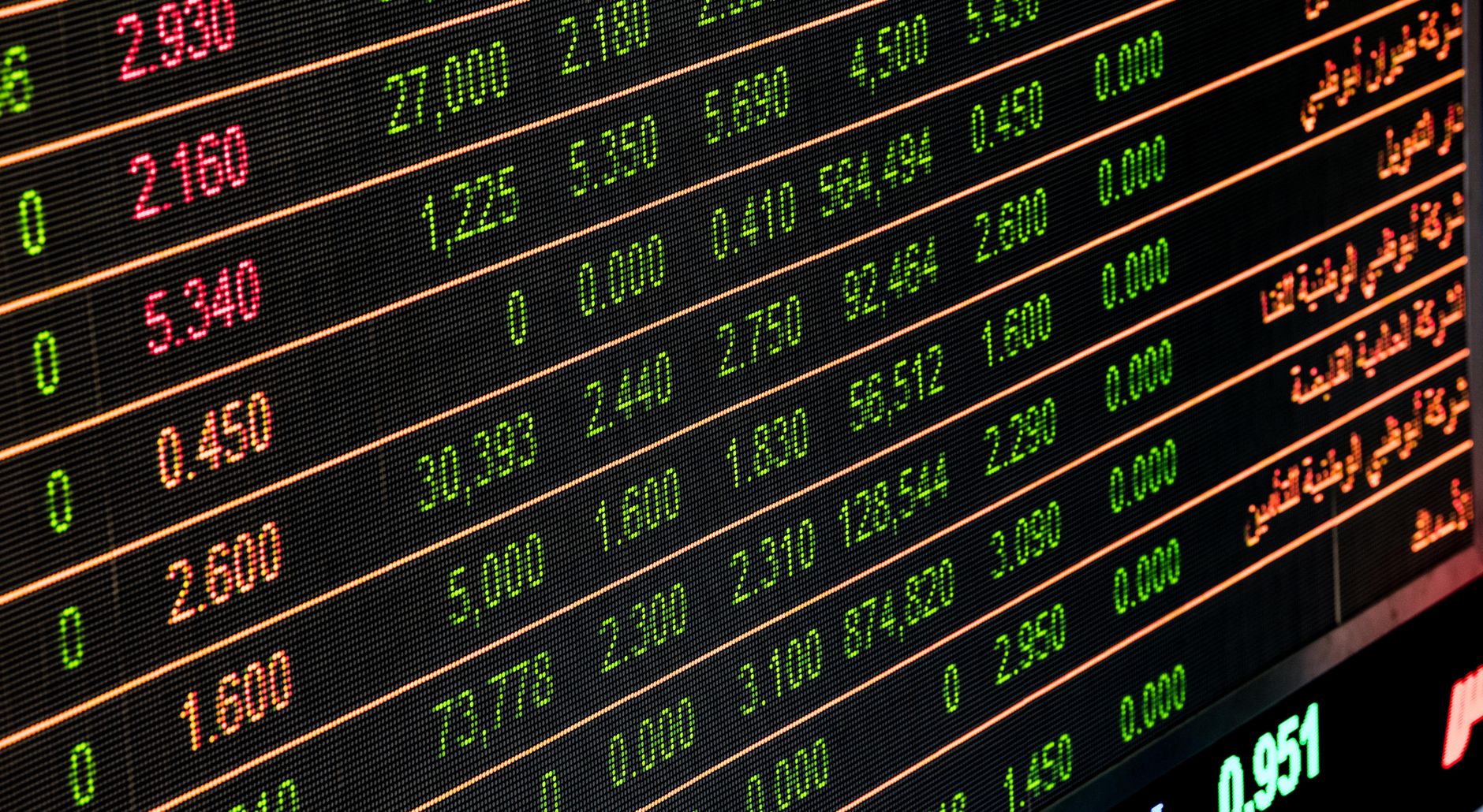
Ask ten retail traders what happens to liquidity after 4 p.m. ET and most will say some version of "spreads get wider, be careful." That's true of overnight trading in general, but it's also the least useful part of the story. The more important question is how much wider, which hours inside the overnight block are actually dangerous versus merely quiet, and why most of the risk isn't the spread at all — it's position sizing against a market that can gap through your stop while you're asleep. Most articles on this topic stop at "liquidity is lower overnight," cite a vague percentage, and move on. Here's what the actual numbers look like and what they mean for how you should size and manage a position held into the Globex session.
The Volume Split Is More Lopsided Than People Think
For U.S. equity index futures (ES, NQ, YM, RTY), roughly 70% of daily volume in the E-mini S&P 500 trades during Regular Trading Hours — the 9:30 a.m. to 4:00 p.m. ET session that overlaps the cash equity market. The single busiest window is the first 90 minutes after the cash open, 9:30–11:00 a.m. ET, which on a typical day accounts for close to half the day's total range. That's the window where institutional rebalancing flow, opening auctions, and the first wave of macro data reactions (CPI, NFP, FOMC) all land at once, and it's why a 20–50 point move in ES inside a few seconds during that window isn't unusual.
The overnight Globex session — roughly 5:00 p.m. to 8:30 a.m. CT — is where Asian and then European market participants drive price. It isn't dead: multi-year studies on E-mini S&P liquidity found the overnight bid/ask spread sits at one to two ticks most of the time, and average notional traded is still around $3.6 billion per hour in the least liquid overnight stretches, which is not nothing. But "not nothing" is a different claim than "as liquid as RTH." The gap between the two sessions in raw volume is large enough that market orders placed in the thin early-morning Asia hours (roughly 7–9 p.m. ET) routinely get worse fills than the same order size would get during the New York open.
Where the Real Risk Sits: It's Not the Spread, It's the Gap
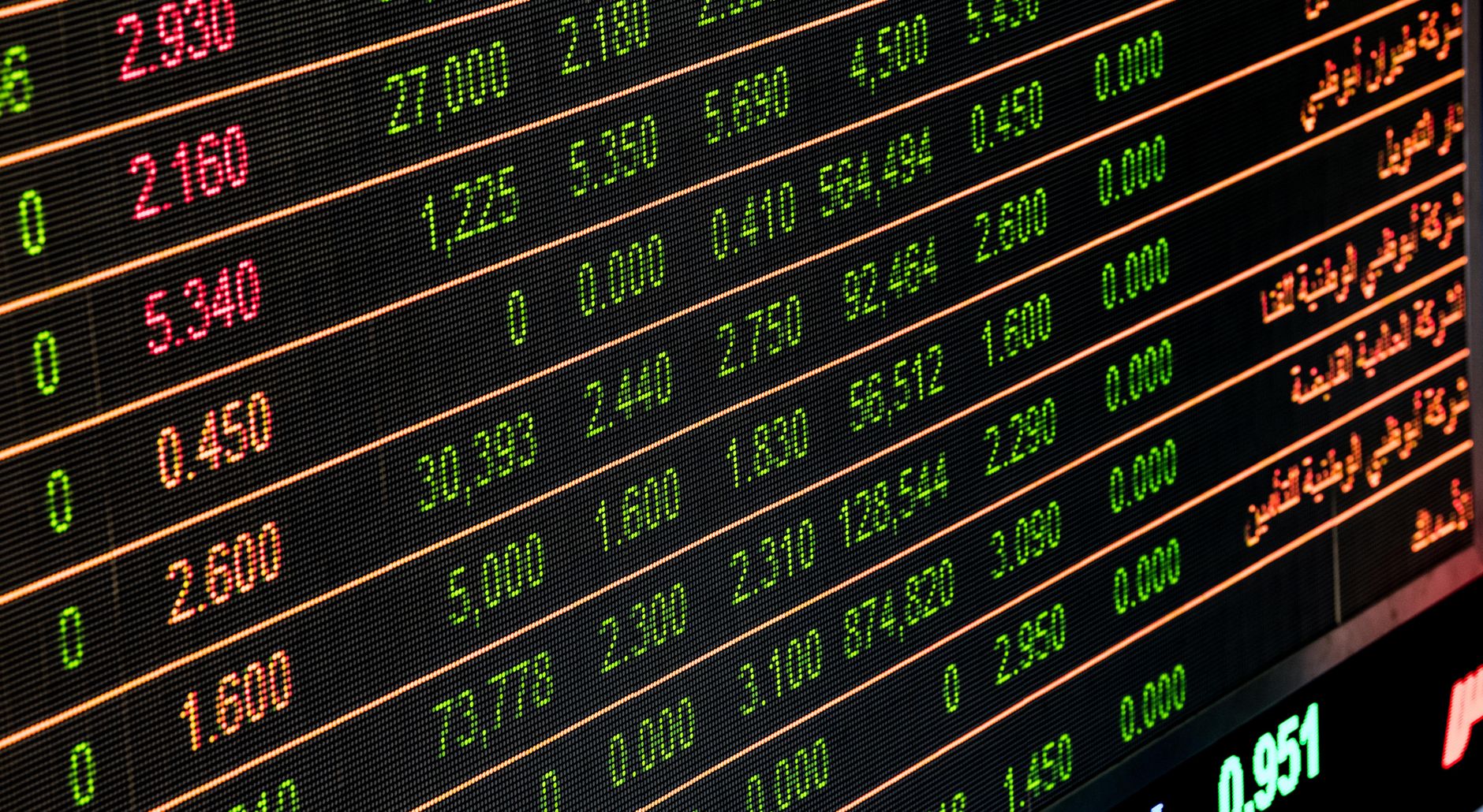
The oversimplification that gets repeated everywhere is "overnight spreads are wider, so trade smaller." Spread cost on a single ES contract overnight might run you an extra tick or two versus RTH — call it $12.50–$25 of incremental slippage on a round turn. That's real, but it's a rounding error compared to the actual risk: gap risk. If you hold a position through the Globex session and a macro headline, a surprise central bank move, or an earnings-driven equity shock hits while U.S. cash markets are closed, price can move through your stop-loss level entirely. Your stop doesn't protect you from a gap — it triggers *after* price has already traded through it, and in a thin overnight book that fill can land meaningfully worse than your stop price. This is the mechanism that has wiped out entire evaluation accounts overnight on prop firm challenges, not slow bleed from wide spreads. It's also why a fixed-dollar drawdown limit is a much blunter tool overnight than it is during the regular session — the drawdown number doesn't adjust for the fact that the same stop distance can get hit by noise alone when the book is this thin.
This is also why almost every major futures prop firm — Topstep, Apex Trader Funding, Bulenox, MyFundedFutures, Tradeify, Lucid Trading, FundedNext Futures, Take Profit Trader, OneUp Trader, and Earn2Trade — requires evaluation and (in most cases) funded accounts to close out before the daily session cutoff. A small number of firms buck this: Phidias allows overnight and weekend holds on its Premium accounts, Elite Trader Funding permits it on Diamond Hands and Direct-to-Funded accounts, and Alpha Futures allows it only on live Alpha Prime accounts. The restriction exists because the firm is on the other side of your trade's risk, and gap risk is exactly the tail event that blows through a trailing drawdown limit in one print. If you're evaluating whether a prop firm's overnight rule is "unfair," it's worth remembering the firm is pricing that exact scenario into the rule.
What Actually Changes Hour-by-Hour
Liquidity overnight isn't flat — it moves in blocks tied to which region's market is active. Roughly:
5:00–7:00 p.m. ET: the immediate reopen, where volume briefly spikes on the day's closing imbalance before thinning out fast.
7:00 p.m.–2:00 a.m. ET: the thinnest window of the 24-hour cycle — Asian cash markets are open but index futures interest is light, and this is where a single large order can move price disproportionately because the market maker firms that provide continuous resting liquidity during RTH simply aren't active in size. Losing that kind of standing participant thins the book far more than losing an equivalent amount of one-off retail flow.
2:00–8:30 a.m. ET: liquidity rebuilds as European markets (London, Frankfurt) come online, and by the London–New York overlap (roughly 8:00–11:00 a.m. ET) spreads tighten back toward RTH levels even before the U.S. cash open.
The practical takeaway: if you must hold overnight, the 7 p.m.–2 a.m. ET stretch is where position size should shrink the most, not just "overnight" as a blanket rule. A stop that's reasonable during the regular session can be effectively meaningless at 9 p.m. ET if the book is three or four times thinner.
What Overnight Trading Is Actually Good For
None of this means overnight sessions should be avoided outright. The genuine edge case is reacting to scheduled or breaking news that lands outside RTH — a surprise rate decision, a geopolitical shock, an earnings beat in a mega-cap that moves index futures before the cash open. Futures let you react to that information immediately instead of waiting for the next RTH open, when the move may already be priced in. The honest tradeoff is: you get first-mover access to the information, in exchange for executing in a market with meaningfully less depth and a real chance that your execution price is worse than the headline number everyone's reacting to. That's a fair trade if you're sized correctly and know it's coming. It's a bad trade if you're holding a full-size RTH position into a session you didn't plan for.
The Bottom Line
Overnight futures trading isn't dangerous because the spread is a few ticks wider — it's dangerous because gap risk through the illiquid overnight window can move price through a stop before the stop can do its job, and because most traders size overnight positions the same way they size RTH ones. Know which hour block you're actually trading in, not just "overnight" as a monolith, and size down specifically for the 7 p.m.–2 a.m. ET stretch where the order book is thinnest. If your prop firm's rules force you flat by session close, that's not an arbitrary inconvenience — it's the firm pricing in the exact tail risk this article just walked through.